01
Eggshell
Living rooms, dining rooms, bedrooms, and other walls where you want a soft low-lustre look with less reflection than satin.
Interior paint finish comparison
Eggshell is the quieter finish; satin reflects a little more light and is often chosen for harder-working rooms. The exact product and wall condition should settle the choice.
One free render. No signup or card required.
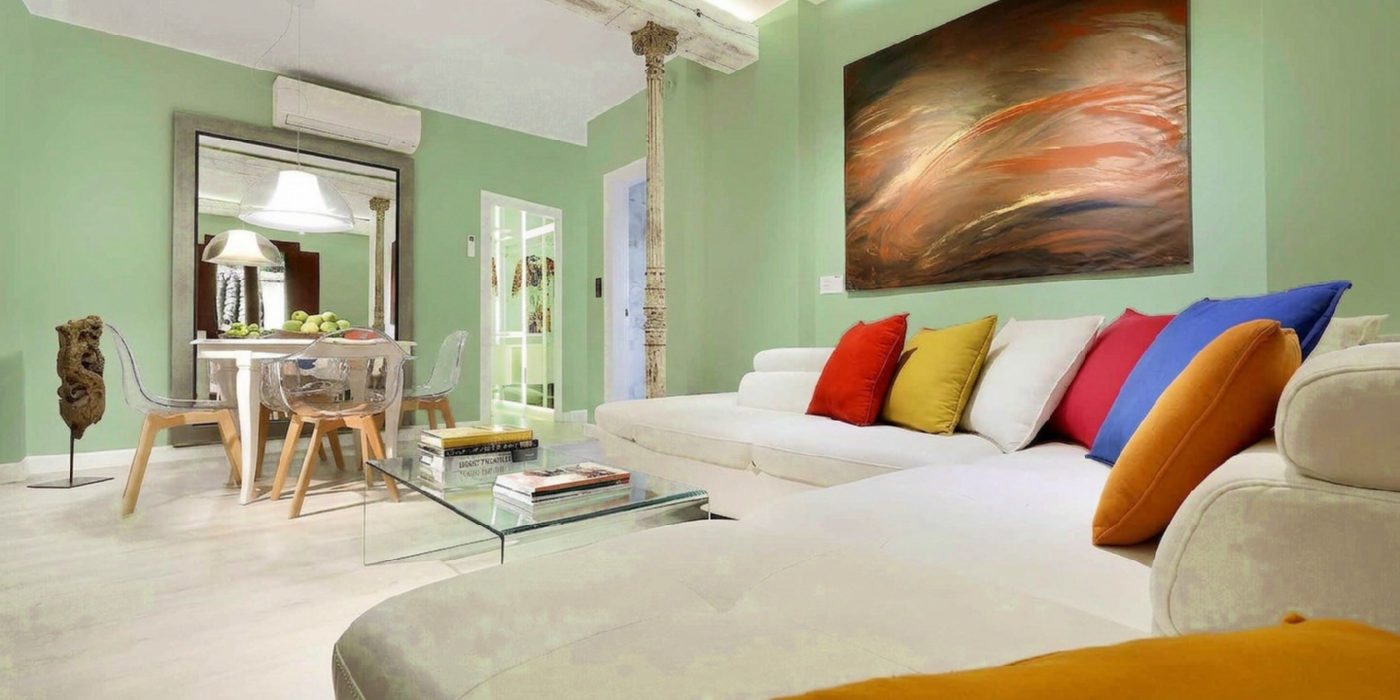
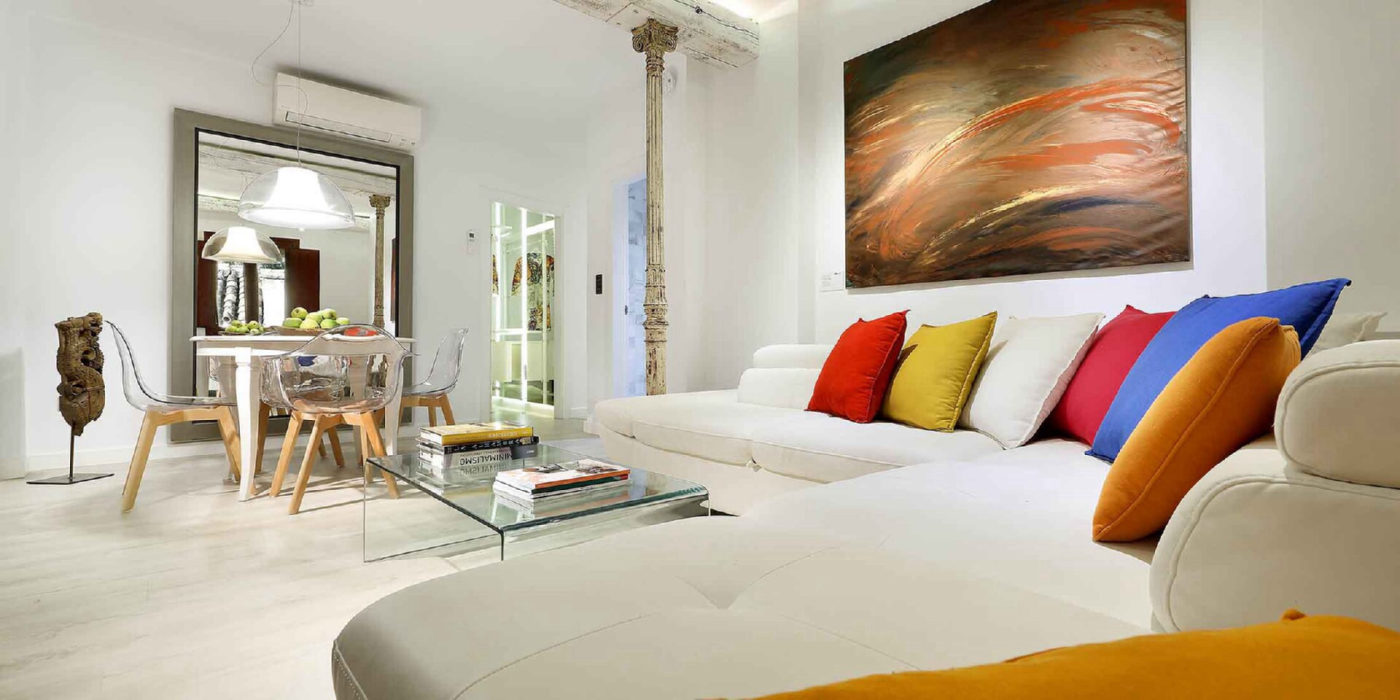
A real TestMyPaint render, measured against the requested colour code.
Choose eggshell for lower reflection and a more forgiving wall appearance. Choose satin when easier cleaning or some moisture exposure matters more, then verify the exact coating and a dried sample.
The finish changes how the same colour reflects light, how much wall texture you notice, and which cleaning demands the coating must handle.
01
Living rooms, dining rooms, bedrooms, and other walls where you want a soft low-lustre look with less reflection than satin.
02
Hallways, family spaces, children's rooms, kitchens, bathrooms, or other walls where easier cleaning and moisture exposure carry more weight.
Facts checked 10 August 2026
Look and feel
Eggshell
Eggshell reflects less light than satin, so it usually looks calmer and draws less attention to small dents, patches, and uneven texture. It is not completely flat.
Satin
Satin generally has more reflection than eggshell. The pearl-like lustre can add depth, but side light may make roller marks, repairs, and surface flaws more noticeable.
Where it works
Eggshell
Eggshell is commonly offered in interior wall-paint ranges. Check the exact product because finish names and measured sheen can vary by manufacturer and product line.
Satin
Satin is also widely available in interior ranges, sometimes labelled satin/pearl or grouped with low-lustre finishes. Compare a dried sample from the exact product you may buy.
Cleaning
Eggshell
Current washable eggshell products can handle ordinary living-space cleaning, but stain resistance and scrubbability belong to the exact coating, not the finish name alone.
Satin
Manufacturers often position satin for moderate-to-high traffic and easier cleaning. Modern lower-sheen paints can also be washable, so verify the product's stated performance.
Application
Eggshell
Prepare and repair the wall, use the specified primer when needed, keep a wet edge, and follow the product label for tools, spreading rate, dry time, and recoat time.
Satin
Surface preparation and even application matter because more reflection can expose lap marks and patches. Follow the label rather than assuming every satin paint behaves alike.
Choose it when
Eggshell
Choose eggshell when lower reflection and a forgiving wall appearance matter more than the extra lustre often chosen for busier or damper rooms.
Satin
Choose satin when the room needs a little more cleaning tolerance or moisture suitability and the wall is smooth enough for the added reflection.
Decision guide
Start with reflection, wall condition, traffic, and moisture. Then compare dried samples from the exact product line you may buy.
01
The clearest visual difference is lustre. Sherwin-Williams places satin slightly above eggshell in its sheen order, while Behr describes eggshell as soft and velvety and satin as pearl-like. That makes eggshell the quieter option in most side-by-side comparisons. Satin catches more window light and artificial light, which can give a colour more apparent depth but can also produce brighter highlights. The effect changes through the day and by viewing angle, so a small chip held flat under store lighting is weak evidence. Paint or order a sample in the exact product and colour, then move it between walls. Look from the doorway, from the usual seating position, and along the wall when daylight is strongest. If reflected streaks distract from the colour or architecture, eggshell is the safer direction. If the slight lustre makes the room feel more finished without exposing flaws, satin remains in the running.
02
More sheen usually makes surface variation easier to see because reflected light traces dents, sanding scratches, patches, roller texture, and uneven repairs. Eggshell can be more forgiving than satin, but neither finish repairs a rough wall. Inspect the surface with a lamp held at a shallow angle before painting. Fill damage, sand transitions smooth, remove dust, and prime repaired or porous areas as the chosen product instructs. New drywall and broad skim-coated surfaces may need a different preparation standard from a previously painted bedroom. A sample board is useful for judging colour and general lustre, but it cannot show how the real wall's seams and patches will read. Test an inconspicuous section of the prepared wall when the finish decision is close. If satin makes every repair visible, move down to eggshell or improve the preparation rather than hoping a second coat will hide the texture.
03
Traditional advice treats more sheen as easier to clean, and current manufacturer guides still often place satin in busier rooms. The shortcut is useful, but it is not a universal performance law. Newer flat, matte, and eggshell coatings can be formulated for stain resistance and washing, while two satin products can differ in scuff resistance, burnishing, and cleaning instructions. Compare the technical data sheet and label for the exact paint line, not only the word on the can. Think about what reaches the wall: fingerprints in a hallway, food near a breakfast area, crayons in a child's room, or only occasional dust in an adult bedroom. Ask how often you realistically clean and whether touch-ups need to blend. Use the manufacturer's recommended cleaner and method because aggressive scrubbing can polish or damage a coating. Pick satin when its verified cleaning performance solves a real problem, not because higher shine automatically means indestructible paint.
04
Satin is commonly recommended for rooms with some moisture exposure, including kitchens and bathrooms. Behr places satin in both, and Sherwin-Williams says satin or semi-gloss can suit moisture-prone areas. That does not mean every satin wall paint belongs above a shower or on a poorly ventilated surface. Check the chosen coating's label for interior use, moisture suitability, cure time, ventilation, mildew resistance, and cleaning. Fix leaks and ventilation problems before repainting. In a large, well-ventilated bathroom, a suitable washable eggshell product may still be available, while a hard-working family bathroom may justify satin or another manufacturer-recommended finish. Kitchens also vary: a dining wall and the area beside a hob do not face the same exposure. Choose the coating for the actual surface and conditions, then choose between its available sheens. The room name is only a starting point.
05
Colour direction and sheen are separate decisions. A room-photo preview can show whether sage, navy, terracotta, or another direction works with the floor, trim, furniture, and daylight before you buy several finish samples. TestMyPaint lets you enter custom colour codes, compare up to five options after signing in, and see the requested code beside a measured Delta E result. Use it to remove colours that fight the room. It cannot simulate the exact eggshell or satin film, and the measurement does not guarantee perfect wall targeting. Paint can spill into nearby objects, generated details can change, and a screen cannot reproduce angled reflection, texture, or the cured coating. Inspect the whole image and reject any result with obvious artefacts. Once the colour shortlist is small, sample the exact paint in both candidate finishes if the sheen still changes the decision.
06
The final check should use the actual manufacturer, colour, product line, and finish you may order. Sheen labels are not perfectly standardized, and Sherwin-Williams notes that finish categories can group terms such as eggshell, low sheen, satin, and velvet together. One brand's eggshell can sit closer to another brand's satin than the names suggest. Apply samples according to the instructions and let them dry and cure for the stated time before judging. View them in morning daylight, evening light, and the lamps used most often. Look both straight on and from the side, where reflection is easier to see. Place the samples beside fixed flooring, tile, cabinets, counters, and trim. If you use removable colour samples, confirm whether their surface matches the liquid paint finish you plan to buy. Record the exact product and sheen with the colour code so the selected sample becomes an unambiguous order.
07
This guide compares finish tendencies and current public manufacturer guidance. It is not a laboratory test of every eggshell and satin coating. It cannot promise that satin always cleans better, that eggshell always hides more, or that either finish will resist a particular stain, bathroom condition, or level of wear. Those outcomes depend on the paint formulation, surface preparation, primer, application, film thickness, cure time, cleaner, and use. Colour can also look different between finishes even when the formula name is the same because reflected light changes what the eye sees. Prices, availability, and finish names vary by brand and location. Use the comparison to choose the lower-reflection or higher-lustre direction, then verify the exact product's data sheet and a dried sample. For a specialized surface such as a cabinet, floor, shower surround, exterior wall, or previously failing coating, use a product approved for that surface rather than a general interior wall-paint rule.
Where TestMyPaint fits
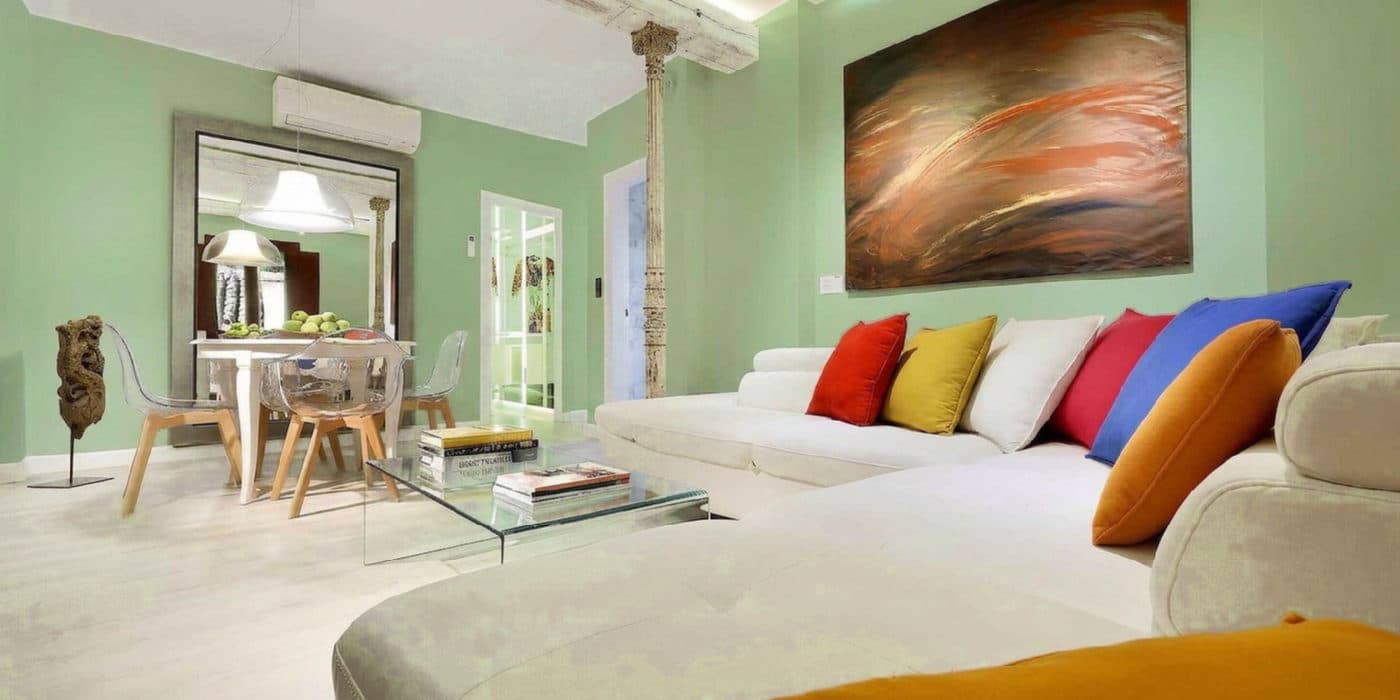
TestMyPaint runs in a browser and accepts a room photo. Choose from 48 curated colours, enter a custom hex, or use the Paint brands selector, which includes 1,532 source-checked colours across eight US and Canadian manufacturer catalogues. Signed-in visitors can compare up to five options, and every result shows the requested code and a measured Delta E colour difference.
Live augmented reality is not included, UK and Australian catalogues are still in preparation, and wall targeting can still miss. Use it to narrow the shortlist, then confirm the finalist with a physical swatch.
Common questions
Neither is better for every wall. Eggshell usually has less reflection and can be more forgiving of surface flaws. Satin usually has more lustre and is often positioned for busier or moisture-prone rooms. Compare the exact products for your surface, cleaning needs, and wall condition, then judge dried samples in the room.
Both can work. Eggshell suits a calmer, lower-reflection living room and can draw less attention to imperfect walls. Satin may suit a family living space that gets more fingerprints, scuffs, or regular cleaning. Check the washable performance of the exact paint because modern eggshell products vary considerably.
Satin is traditionally the easier-cleaning choice and manufacturers commonly recommend it for moderate-to-high traffic. The finish name alone is not enough, though. Some current eggshell coatings are formulated for washability and stain resistance. Read the exact product label and cleaning guidance before deciding.
Satin is commonly offered for bathrooms because of moisture and cleaning needs, but use only a coating the manufacturer approves for the surface and conditions. Ventilation, leaks, preparation, cure time, and mildew control matter more than the finish name alone. Some product ranges may offer a suitable washable eggshell for lower-exposure walls.
Usually. Satin reflects more light, so patches, dents, roller texture, and uneven preparation can become easier to see, especially in side light. Eggshell is generally more forgiving, but neither finish hides poor preparation. Repair, sand, clean, and prime the wall as the chosen paint instructs.
A room-photo visualizer can help you choose the colour direction, but it cannot reproduce the exact reflection and texture of a cured eggshell or satin coating. Use TestMyPaint to narrow colours in the whole room, then compare dried samples of the exact product and finishes under the room's real light.
Keep narrowing
Continue with the question closest to your room before you buy a sample.
Public product information checked 10 August 2026. Features and availability can change.
Eggshell: Sherwin-Williams paint sheen guide
Satin: Behr interior sheen guide
Sherwin-Williams guide to gloss and sheen
Sherwin-Williams room-by-room paint finish guide
Behr interior paint sheen comparison
Benjamin Moore Regal Select eggshell product guidance
This comparison uses published product information, not a controlled hands-on test. Screen previews cannot replace a physical swatch in the room's real light.